Skip to content

Cart

Your cart is empty

A Clinical Approach to Redness and Skin Sensitivity

A Clinical Approach to Redness and Skin Sensitivity

Persistent redness, sensitivity, and irritation are signs of an underlying inflammatory response and a compromised skin barrier. Discover the clinical, multi-pathway approach developed by Dr. Alison Jamieson to restore balance and reveal a calmer, healthier complexion.

  • Understand the scientific triggers behind skin redness and sensitivity.
  • Learn how a multi-product routine can rebuild your skin's resilience.
  • Find your personalised, doctor-developed solution for lasting calm.

Developed by Dr. Alison Jamieson, Cosmetic Physician with over 40 years of clinical skin expertise.

As Seen In

VOGUE
Highsnobiety
I-D
RUSSH
Oyster
The Cut
The File
VOGUE
Highsnobiety
I-D
RUSSH
Oyster
The Cut
The File
Why Your Skin Is Red and Reactive

Why Your Skin Is Red and Reactive

Redness is your skin's SOS signal. It's a visible sign of inflammation, a complex biological process designed to protect the body from harm. For many, this response becomes chronic, triggered by everything from environmental pollutants and UV exposure to harsh skincare ingredients.

A key culprit in barrier disruption is the use of aggressive cleansers containing sulfates like Sodium Lauryl Sulfate (SLS). Clinical studies show that SLS can increase transepidermal water loss (TEWL) by 37% in just three days, effectively stripping the skin's natural lipids and leaving it vulnerable.

At a cellular level, a key inflammatory pathway known as NF-kB is activated — acting as a master switch for inflammation. When triggered, it orchestrates the release of pro-inflammatory molecules, perpetuating the cycle of redness and irritation.

A Clinical Approach to Calming Redness

A Clinical Approach to Calming Redness

While many products offer a single ingredient to temporarily soothe redness, Aliangé's philosophy is to target the multiple underlying causes of inflammation simultaneously. Our approach utilises a synergistic routine of products that work together to rebuild the skin barrier, inhibit inflammatory pathways, and support a healthy microbiome.

In my clinic, I see the frustration that comes with reactive skin. The key is not just to soothe, but to rebuild. We must address the compromised barrier, quiet the inflammatory signals, and restore the skin's own defence mechanisms. That is the foundation of the Aliangé clinical approach — a complete system for lasting skin health.

— Dr. Alison Jamieson

The Rosacea Protocol

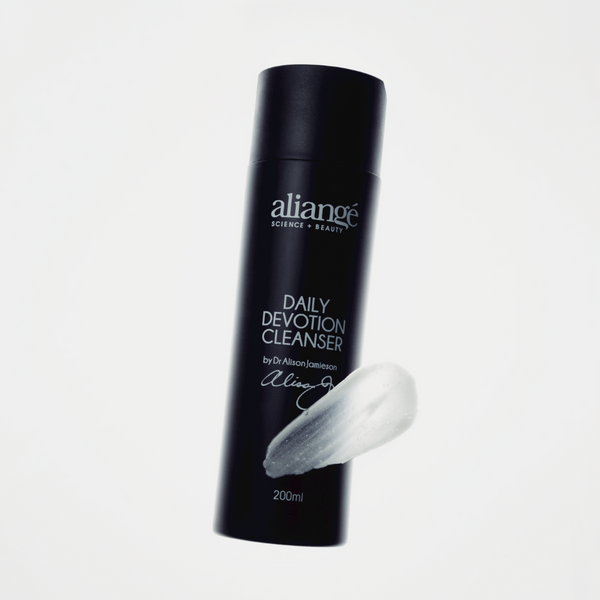
Daily Devotion Cleanser

Daily Devotion Cleanser

Gently cleanses without stripping the skin's delicate barrier, using syndet technology to prevent the irritation and water loss caused by harsh sulfates.

Key active: Sodium Cocoyl Isethionate + Sodium Cocoyl Glutamate + Hydrolysed Jojoba Esters + Jojoba Esters + Sodium PCA + Sodium Lactate + Glycerin + Allantoin + Amino Acid ComplexStep 1 AM/PM
$55
Probiotic Masque

Probiotic Masque

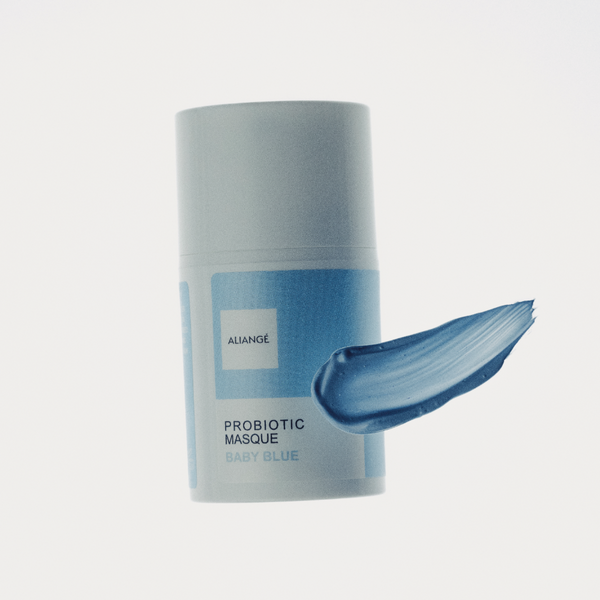
This treatment masque supports a healthy skin microbiome, which is crucial for calming inflammatory conditions like rosacea and reducing overall sensitivity.

Key active: Kaolin + Bentonite + Lactococcus Ferment Lysate + Lactobacillus + Alpha-Glucan Oligosaccharide + Polymnia Sonchifolia Root Juice + Sodium Hyaluronate + Saccharide Isomerate + Sodium PCA + Chondrus Crispus Extract + Tocopherol (Vitamin E)2–3x per week
$50
Before and after results showing reduced redness, refined pores and restored skin barrier after using Aliangé Skincare's Biocinamide Serum with niacinamide and postbiotic Lactococcus ferment lysate, developed by Dr. Alison Jamieson in Australia

Biocinamide Serum

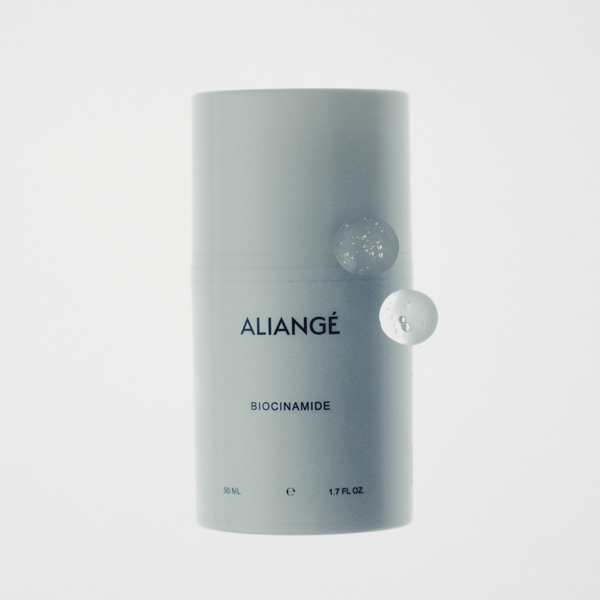
A powerhouse serum that directly targets inflammation by inhibiting the NF-kB pathway, while postbiotics help to rebuild a healthy skin barrier.

Key active: Niacinamide + Lactococcus Ferment Lysate + Enantia Chlorantha Bark Extract + Oleanolic Acid + Sphingolipids + Phospholipids + Sodium Hyaluronate + Saccharide Isomerate + BisabololStep 2 AM/PM
$90
Day Cream SPF 15

Day Cream SPF 15

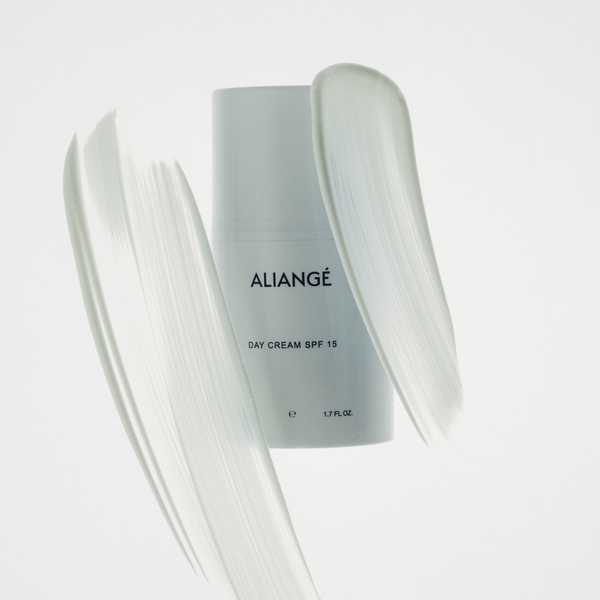
Protects sensitive skin from UV radiation, a common trigger for redness and rosacea, while providing essential hydration.

Key active: Butyl Methoxydibenzoylmethane (Avobenzone) + Diethylamino Hydroxybenzoyl Hexyl Benzoate + Octocrylene + 4-Methylbenzylidene Camphor + Palmitoyl Tripeptide-1 + Palmitoyl Tetrapeptide-7 + Sodium Hyaluronate + Panthenol + Centella Asiatica Extract + Tocopherol (Vitamin E)Step 3 AM
$90
Before and after results showing visibly firmer, more youthful skin with improved collagen density and reduced fine lines after using Aliangé Skincare's CellRevive Exosome Cream delivering 4 billion extracellular vesicles per application, developed by Dr. Alison Jamieson in Australia

Cellrevive Exosome Cream

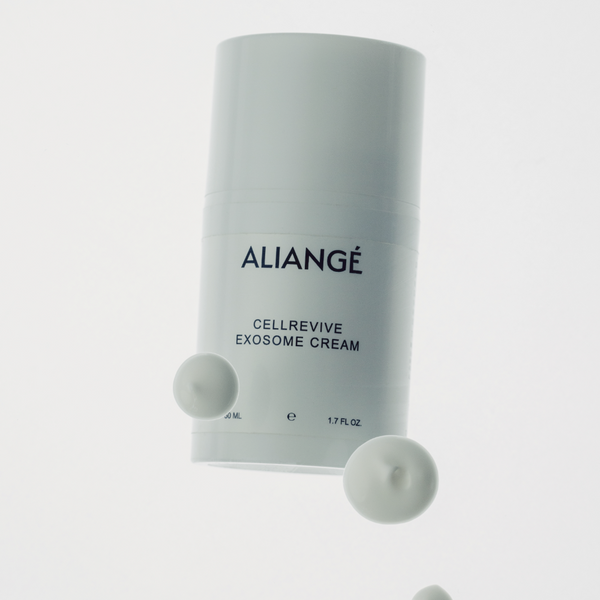
CellRevive Exosome Cream is a regenerative moisturiser designed to support skin renewal, hydration, and barrier repair. Formulated with advanced exosome-derived technology, it helps support cellular communication and skin regeneration while delivering essential lipids, antioxidants, and humectants to restore moisture and resilience. The formula works to improve skin smoothness, hydration, and overall skin vitality.

Key active: ENDEXOME-EXO™ + Hyaluronic Acid + Avocado Oil + Safflower Oil + Vitamin E + Sodium PCAAM & PM
$400

Benefits of the Protocol

Reduces Visible Redness

Directly targets the inflammatory pathways that cause persistent flushing and blotchiness.

Strengthens the Skin Barrier

Rebuilds your skin's natural defences to reduce sensitivity and prevent future irritation.

Calms Irritation & Sensitivity

Soothes reactive skin with potent anti-inflammatory ingredients for immediate and lasting comfort.

Supports a Healthy Microbiome

Balances your skin's ecosystem to improve resilience and calm conditions like rosacea.

Provides UV Protection

Shields skin from daily UV exposure, a primary trigger for redness and inflammation.

Hydrates & Nourishes

Delivers essential moisture and lipids to restore a healthy, comfortable complexion.

What to Expect

Phase 1

Week 1–2

Your skin will feel more comfortable and less irritated. The gentle cleanser and soothing serums begin to calm immediate reactivity and replenish hydration.

Phase 2

Week 2–4

You'll notice a visible reduction in persistent redness. The Biocinamide Serum is working to inhibit inflammatory pathways, while the masques are supporting your skin's barrier.

Phase 3

Week 4–8

Your skin barrier becomes stronger and more resilient. With consistent use of postbiotics and barrier-supporting lipids, your skin is less reactive to triggers.

Phase 4

Week 8–12

Peak results are achieved. Your skin appears calmer, more even-toned, and feels significantly more comfortable, reflecting a healthier, well-balanced state.

Doctor Developed
Clinically Proven Actives Doctor Developed Australian Made 90-Day Guarantee Cruelty Free

Why Aliangé Is Different

Aliangé Clinical Approach
Typical Redness Products
Targets the root causes of inflammation
Focus on temporarily soothing
Multi-pathway, synergistic routine
Single-ingredient formulas
Formulated to respect the skin barrier
May contain hidden irritants
Provides a long-term solution for skin health
Offers temporary relief

Frequently Asked Questions

Frequently Asked Questions

Persistent redness is the visible expression of chronic, low-grade inflammation. When the skin's immune system is constantly activated — by barrier compromise, microbiome disruption, environmental triggers, or inflammatory signalling pathways like NF-kB — blood vessels in the dermis dilate and remain dilated. This produces the sustained redness, flushing, and sensitivity that characterises conditions like rosacea, reactive skin, and non-specific facial redness. Unlike temporary redness from exercise or heat (which resolves quickly), chronic redness indicates an underlying inflammatory state that requires systemic treatment, not just soothing topicals.

Rosacea is a diagnosed inflammatory skin condition with specific subtypes (erythematotelangiectatic, papulopustular, phymatous, and ocular) and clinical criteria. Non-specific redness or "reactive skin" shares many of the same underlying drivers — barrier dysfunction, microbiome imbalance, and chronic inflammation — but may not meet full rosacea diagnostic criteria. The Aliangé approach addresses the biological mechanisms common to both: barrier repair, microbiome rebalancing, and inflammatory pathway modulation. Whether your redness has been formally diagnosed as rosacea or is classified as sensitivity/reactivity, the treatment principles are the same.

The skin's barrier is a lipid-rich structure that prevents irritants, allergens, and pathogens from penetrating the skin. When the barrier is compromised (by harsh cleansers, environmental stress, or inflammation), these substances penetrate more easily and trigger immune responses that manifest as redness, stinging, burning, and flushing. Research shows that SLS-based cleansers increase transepidermal water loss by 37% in just 3 days — a direct measure of barrier destruction. The Aliangé approach prioritises barrier repair as the foundation of redness treatment: the Daily Devotion Cleanser preserves ceramides, the Biocinamide Serum delivers a 5.5x ceramide boost and 18% TEWL reduction, and the Day Cream SPF 15 provides protective occlusion.

The skin's microbiome — the community of beneficial bacteria living on its surface — plays a critical role in immune regulation. When this community is disrupted, the immune system receives inappropriate activation signals that produce chronic inflammation and redness. Research has shown that people with rosacea have distinctly altered microbiome profiles compared to those with healthy skin. The Probiotic Masque (Lactococcus Ferment Lysate postbiotic + Alpha-Glucan Oligosaccharide prebiotic) and Biocinamide Serum (Lactococcus Ferment Lysate) support microbiome restoration, helping to re-establish the immune balance that keeps redness in check.

Common triggers include UV exposure, heat, wind, alcohol, spicy food, stress, hot water, harsh skincare products, and temperature fluctuations (such as moving between air-conditioned spaces and outdoor heat). In coastal Australian environments, salt air and high UV add additional constant triggers. The Aliangé approach does not just soothe individual flare-ups — it reduces the skin's baseline inflammatory state and strengthens the barrier so that triggers produce less severe responses. Over 4–8 weeks of consistent use, many clients find that previously problematic triggers produce noticeably less redness.

Yes — Niacinamide is one of the most clinically validated ingredients for redness reduction. At the 5% concentration used in the Biocinamide Serum, it:

  • Down-regulates NF-kB inflammatory pathway activity, reducing the production of pro-inflammatory cytokines
  • Increases ceramide synthesis by 4.1–5.5%, strengthening the barrier against trigger penetration
  • Reduces transepidermal water loss by 18%, improving the skin's resilience
  • Supports microbiome balance through postbiotic Lactococcus Ferment Lysate

These are not surface-soothing effects — Niacinamide modulates the inflammatory processes that cause redness at a cellular level.

Dr. Jamieson recommends:

  1. Daily Devotion Cleanser — Barrier-preserving cleansing that does not trigger flushing (AM & PM)
  2. Biocinamide Serum — Anti-inflammatory, barrier-strengthening, microbiome-supportive foundation (AM & PM)
  3. Day Cream SPF 15 — UV protection (a major redness trigger) plus anti-inflammatory Centella Asiatica (AM)
  4. Probiotic Masque — Microbiome rebalancing and calming clay treatment (2–3x weekly)

For clients with redness plus ageing concerns, the Jellyfish Peptide X Antioxidant Serum can be added (its antioxidant and DNA-repair properties are well-tolerated by redness-prone skin). Introduce any additional products one at a time, allowing 1–2 weeks between additions.

  • Weeks 1–2: Skin feels calmer and less reactive. Tightness and stinging reduce as barrier-stripping products are replaced with barrier-supportive ones.
  • Weeks 2–4: Visible reduction in baseline redness as the barrier strengthens and inflammatory signalling decreases.
  • Weeks 4–8: Significant improvement in flushing frequency and redness severity. The skin tolerates environmental triggers with less reaction.
  • Weeks 8–12: Sustained, measurable improvement. The skin's inflammatory baseline has been lowered — meaning it takes more provocation to trigger a visible flare.

Because they address the symptom (visible redness) without treating the system that produces it. Cooling gels, redness-reducing serums, and green-tinted products provide temporary visual relief but do not repair the barrier, rebalance the microbiome, or down-regulate inflammatory pathways. Once the soothing product is removed or environmental triggers return, redness reappears because nothing has changed biologically. The Aliangé approach works differently: sustained barrier repair, microbiome restoration, and inflammatory pathway modulation create lasting change in the skin's underlying condition.

Yes, with strategic selection and gradual introduction. Niacinamide, peptides, and postbiotics are inherently well-tolerated and actively beneficial for redness-prone skin. AHAs and Retinol can be introduced slowly (starting with the lowest frequency and building up) once the barrier has been strengthened with 2–4 weeks of Biocinamide Serum use. The key is to establish barrier integrity first, then layer in corrective actives gradually — not to avoid active ingredients entirely, which leaves the underlying causes of redness untreated.

A Clinical Approach to Reducing Redness

Designed to regulate inflammation and restore skin integrity through an evidence-based approach.

90-Day Results Guarantee