
Abstract
Somewhere along the way, skincare decided that killing bacteria was the answer to most skin problems. Breakouts? Antibacterial. Sensitivity? Strip it clean. Oily skin? Nuke everything and start fresh.
Dr Alison Jamieson has watched this approach fail for over 40 years. In her clinical experience, the harshest cleansers and the most aggressive antibacterial regimens often make things worse, not better. They wipe out the beneficial bacteria your skin depends on for its own defence, creating a state called dysbiosis — a microbial imbalance that leads directly to inflammation, sensitivity and, ironically, the very breakouts people were trying to prevent.
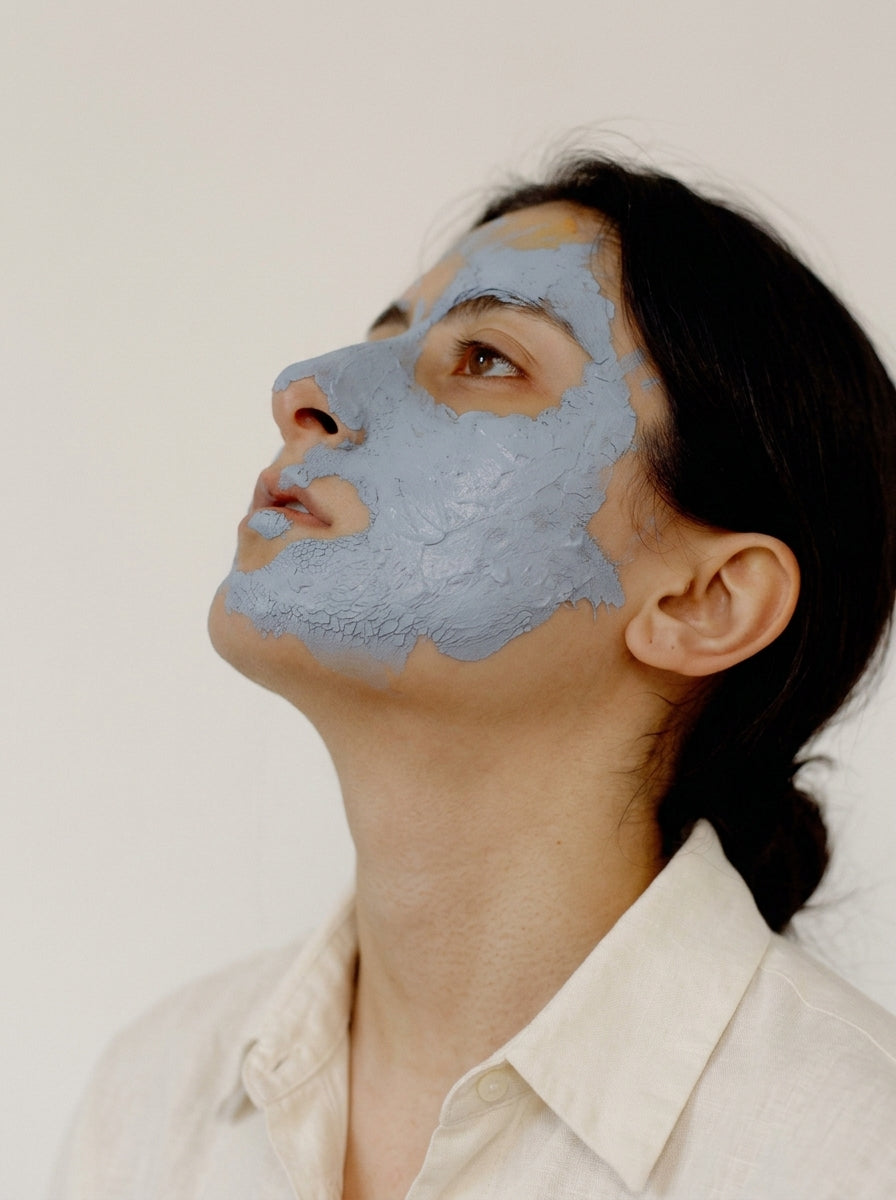
The Probiotic Masque was formulated around a fundamentally different principle: instead of sterilising your skin, feed it.
Postbiotics: The Science of Intentional Destruction
The term "probiotic" is familiar to most people. Prebiotics are gaining ground. But postbiotics remain genuinely underappreciated, and they may be the most significant of the three for skincare.
A postbiotic is what you get when you intentionally break apart a beneficial bacterium. The technical term is lysing. You take a known-beneficial strain, rupture its cell walls, and collect the bioactive fragments that spill out: peptides, organic acids, short-chain fatty acids, cell wall components and signalling molecules.
These fragments are not alive. They do not need to colonise your skin, survive on its surface or compete with resident bacteria. They simply deliver their bioactive cargo directly to your cells.
The Probiotic Masque contains Lactococcus Ferment Lysate, a postbiotic derived from this exact process. And the research behind it is specific: in a randomised controlled trial, Lactococcus lysate upregulated filaggrin (a protein that is structurally essential for barrier integrity) and human beta-defensin-2 (an antimicrobial peptide your skin produces to defend itself against pathogens).
The trial also measured an 18 per cent reduction in transepidermal water loss and a 23 per cent decrease in skin permeability. Your barrier was measurably stronger, holding more moisture in and letting fewer irritants through.
Here is the counterintuitive part: these dead bacterial fragments achieved what live bacteria often cannot. Live probiotics face significant challenges on the skin's surface: pH incompatibility, competition from resident flora, and stability issues that mean many of them die before they can do anything useful. Postbiotics bypass all of that. The bioactive compounds are already released, already stable, already available to your cells.
Prebiotics: Selective Feeding for a Balanced Microbiome
The Probiotic Masque also contains Alpha-Glucan Oligosaccharide (known commercially as Bioecolia), a prebiotic with a remarkably elegant mechanism.
Your skin hosts hundreds of bacterial species. Some are beneficial. Some are neutral. Some, when given the opportunity to overgrow, cause problems. A prebiotic is a substrate, a food source for bacteria. What makes Alpha-Glucan Oligosaccharide unusual is its selectivity: beneficial bacteria can metabolise it, but pathogenic bacteria cannot. It quite literally feeds the bacteria you want and starves the ones you do not.
In a clinical study of 25 subjects over 28 days, this selective prebiotic feeding produced a 25.9 per cent increase in skin radiance. That is not a superficial glow from light-reflecting particles. It reflects a skin surface that is healthier at the microbial level, turning over efficiently and free from the low-grade inflammation that makes skin look dull.
The Trio Effect: Postbiotic + Prebiotic + Probiotic in One Formulation
This is where the Probiotic Masque becomes genuinely unusual. Most microbiome-focused skincare contains one of these three approaches. This masque contains all three, working on different aspects of the same biological system:
- Postbiotic (Lactococcus Ferment Lysate) delivers pre-formed bioactive fragments that strengthen your skin's own defences
- Prebiotic (Alpha-Glucan Oligosaccharide) selectively feeds beneficial bacteria while excluding pathogens
- Probiotic components support microbial diversity on the skin's surface
Dr Jamieson designed this layered approach because the microbiome is not a single problem with a single solution. It is a community that needs to be defended, fed and diversified simultaneously.
Purification Without Punishment
A masque also needs to do the mechanical work of drawing out congestion, and this is where most clay masques get it wrong. They absorb everything, beneficial oils included, leaving skin tight, stripped and vulnerable.
The Probiotic Masque uses a blend of Kaolin and Bentonite clays, which work through ionic charge rather than indiscriminate absorption. These clays carry a negative electrical charge that attracts positively charged impurities, excess sebum and environmental debris. They draw out what should not be there while leaving the skin's natural lipid barrier largely intact.
A 2024 study involving 75 adults over four weeks confirmed that this type of clay-based treatment improved comedone count and skin evenness. The purification is real. It is just not destructive.
Essential Fatty Acids: The Barrier Restoration Layer
Beneath the microbial science, the Probiotic Masque contains a carefully selected oil profile for barrier restoration: macadamia oil, evening primrose oil and rosehip oil. Each contributes a different essential fatty acid profile.
Macadamia oil is rich in palmitoleic acid, a fatty acid that naturally decreases in the skin with age. Evening primrose delivers gamma-linolenic acid (GLA), which supports anti-inflammatory pathways in the skin. Rosehip oil provides a balanced ratio of omega-3 and omega-6 fatty acids alongside natural retinoids.
These are not there for texture or marketing appeal. They are there because a barrier that has been purified and microbiome-supported still needs its lipid structure physically reinforced. The oils provide the raw materials for that reinforcement.
Why Killing Bacteria Could Be the Worst Thing for Your Skin
This is worth stating plainly because it runs counter to decades of skincare marketing: aggressive antimicrobial cleansing is often the cause of the very skin problems it claims to solve.
When you strip your skin's microbiome with harsh cleansers, antibacterial washes or over-exfoliation, you do not just remove the problematic bacteria. You remove the beneficial ones too. The result is dysbiosis, a microbial imbalance that creates space for opportunistic pathogens to take hold.
The downstream effects are predictable: increased inflammation, compromised barrier function, heightened sensitivity, and breakouts that become chronic rather than occasional. Dr Jamieson has seen this pattern repeat itself across thousands of clinical consultations. The patients who present with the most reactive, easily irritated skin are often the ones who have been cleaning it the most aggressively.
The Probiotic Masque represents the opposite philosophy. Rather than eliminating bacteria, it supports the skin's ability to manage its own microbial community. Rather than stripping the surface, it purifies selectively. Rather than leaving skin depleted, it leaves it fed.
Where the Probiotic Masque Sits in The Protocol
The Probiotic Masque is prescribed two to three times per week, used after the Daily Devotion Cleanser on clean skin. Apply an even layer, leave for 10 to 15 minutes, then rinse.
For daily microbiome support between masque applications, the Biocinamide Serum maintains prebiotic and postbiotic activity as part of both the AM Protocol and PM Protocol in The Protocol.
The two products were designed to work together. The masque provides intensive, periodic microbiome recalibration. The serum provides daily maintenance. Together, they keep the ecosystem balanced continuously rather than intermittently.
What This Means for Your Skin
If you have been battling sensitivity, persistent breakouts or a barrier that never quite feels settled, it is worth considering whether the problem is what you are putting on your skin or what you have been stripping off it.
Dr Jamieson's clinical view is clear: skin that is microbiologically supported is skin that can regulate itself. The Probiotic Masque does not override your skin's biology. It gives your biology the resources to do what it already knows how to do, more effectively.
Sometimes the most advanced skincare science looks like the simplest idea: stop fighting your skin, and start feeding it.
Dr Alison Jamieson — MBBS, FRACGP, Dip Derm — formulates all Aliangé products based on over 40 years of clinical experience treating Australian skin.


Leave a comment
This site is protected by hCaptcha and the hCaptcha Privacy Policy and Terms of Service apply.